Study-in-Residence Ideas-in-Incubation
After my first Study-in-Residence course, I worked with my school to develop an entire program of student travel experiences. And, after seeing my Instagram of the trip and seeing all the student, parent, and teacher feedback, I got lots of requests from teachers all around the country–and some travel companies in London–to help them design similar experiences.
This was 2019-2020. You know what happened next.
Below are several trips that I spent years researching, working on-site with museums and research institutions, walking the routes to understand the student experience, and writing the curriculum. I got a lot of requests for London trips, the city I know best, but because my daughter goes to a French immersion public school, I’ve worked in France as well.
And, on the domestic side, the Boston Massacre trip has a fully baked itinerary (it was cancelled in Spring 2020), the Hamilton in New York trip was deeply planned, I also have started deep-diving into the Chicago World’s Fairs for a Study-in-Residence on science and innovation. Much of this work has been sitting in my files since the pandemic, and perhaps it will give you some ideas or inspiration for your Study-in-Residence experience!
The Best and Worst of Times? A Tale of Two Cities
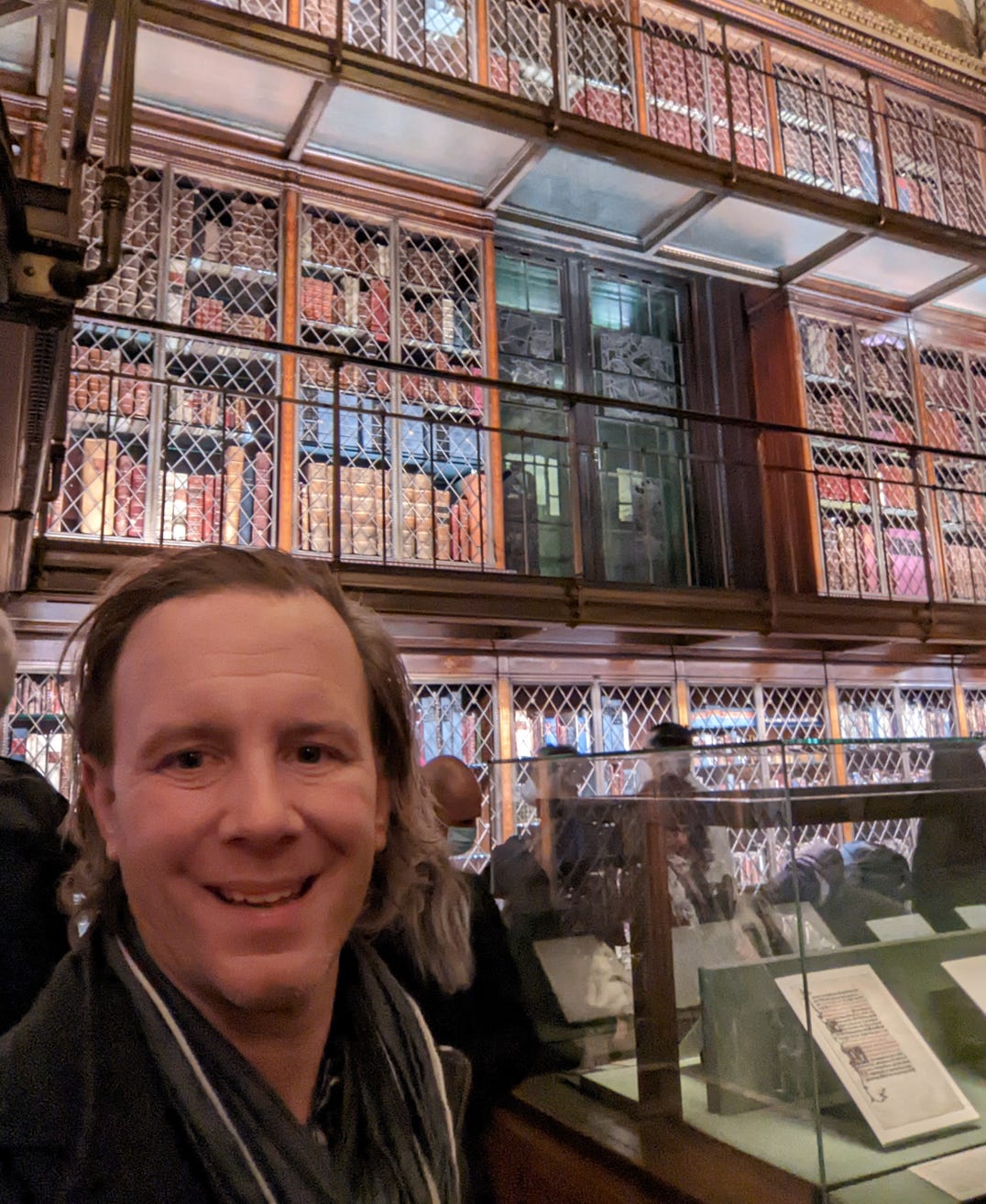
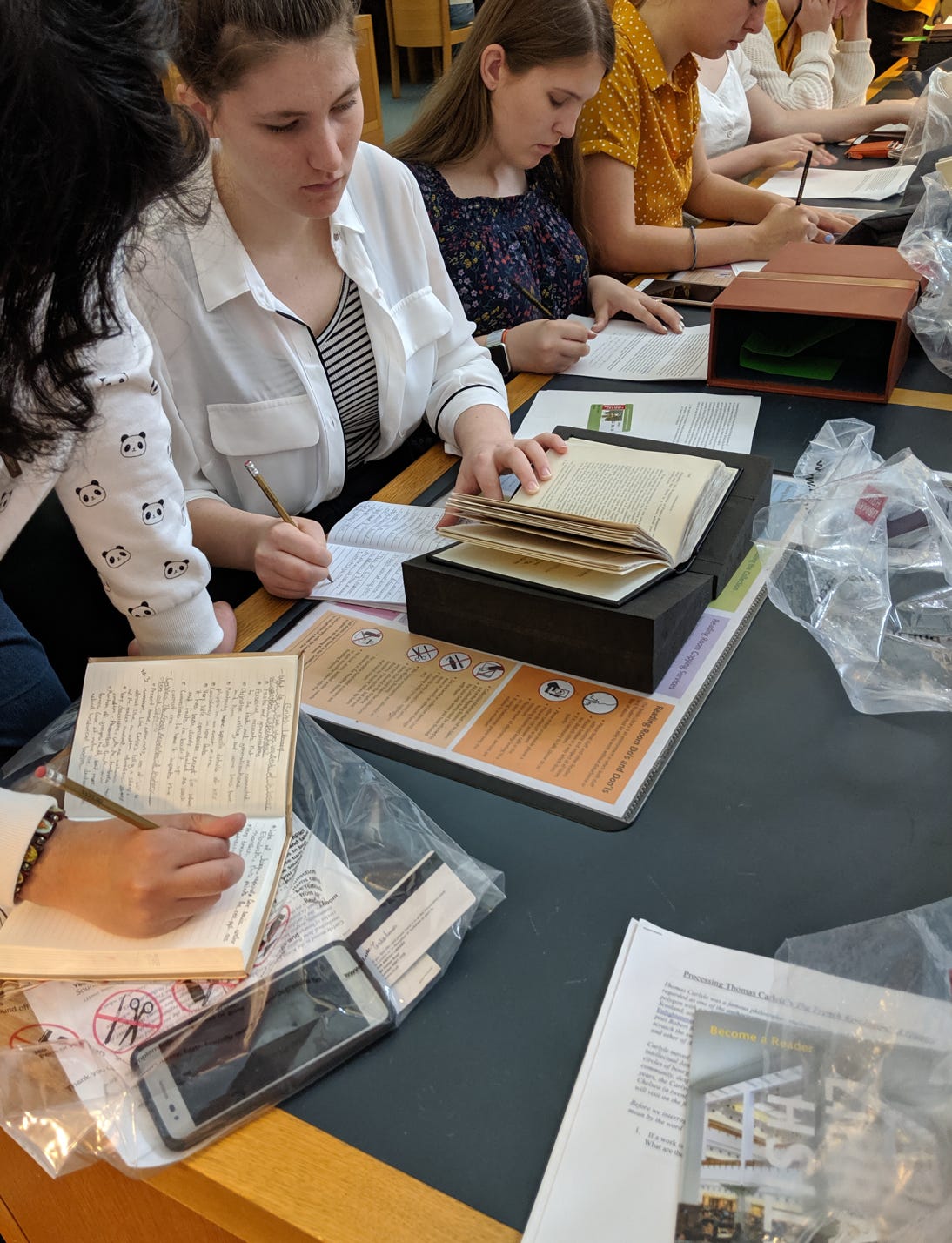
The pictures on this site are from Knowledge Travels’ last pre-pandemic venture, A Tale of Two Cites. This course is the perfect AP or IB companion. In London, we study how Charles Dickens constructed ATo2C, from the influence of his infamous childhood in Warrens Blacking Factory and his father’s time in debtors prison, to his historical (?) research with books provided by the philosopher Thomas Carlyle in the London Library--and we’ll see his handwritten manuscript, with some coded messages about the scandals in his personal life that informed his book. We spend a day at the Charles Dickens Museum, the Victoria and Albert Museum, we see that actual places (including the underground pubs) where Dickens set scenes to understand how he imagined the geography of London as a spiritual landscape--and we venture outside the center of London to eulogize his family in Highgate Cemetery.
From London, we travel to Paris, the second city of the tale, to explore the actual history of the French Revolution. In Paris, we find the last guillotine, explore the dark neighborhood of the novel, the prisons that held the innocent----while also taking in the City of Lights and the exquisite food and vibrant neighborhoods that made Charles Dickens England’s first legitimate Francophile.
The Boston Massacre: What Can We Learn About the Role of Protest in American Democracy?
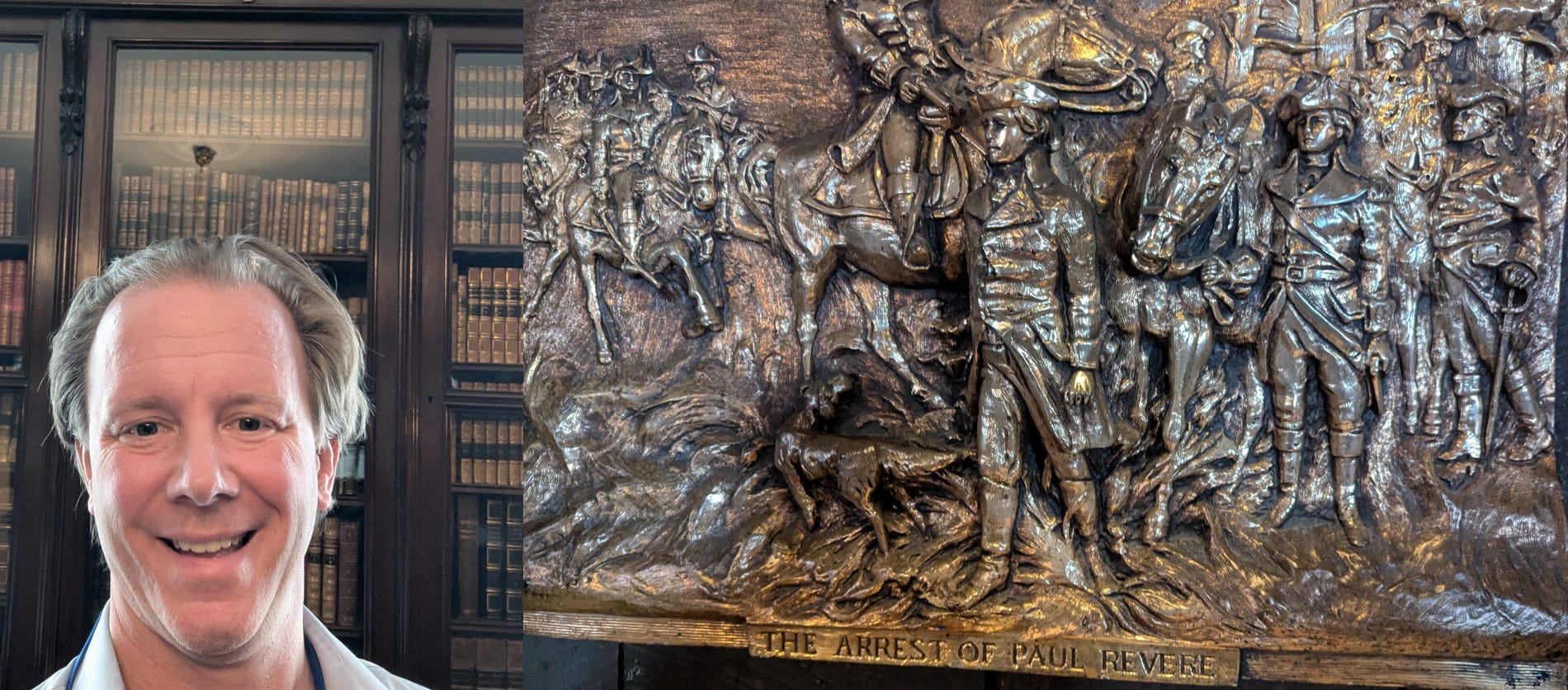
This idea has been in development for five years, but we couldn’t launch because of COVID-19. I have met with the Massachusetts Historical Society to integrate John Adams’ personal handwritten trial notes into the course, along with several excellent programs with the folks at Revolutionary Spaces (the organization that oversees the Old State Meeting House and the Old South Meeting House). The Boston Massacre marker is right there in front of the Meeting House, but as we’ll discover, the *politics* of how the marker got placed there might not be historically accurate (it reflects the view of the famous Paul Revere engraving, one of history’s most effective works of political propaganda, as we’ll learn at the Paul Revere House)
Beyond that, we’ve found several Only-In-Boston fun events for the group, including a mystery hunt through central Boston, tea and dinner at the museum where the most expensive art heist in American history happened, and taking the ferry across the bay to Provincetown for seafood and to learn how institutions on Cape Cod are re-framing the story of Thanksgiving.
This course is ready-to-go, complete with two recent books on the Massacre that are vital to our understanding of American democracy. This trip is the perfect complement to APUSH or your IB American History course. We have a special focus on Crispus Attucks’ evolution as a figure of the Civil Rights Movement.
What is the Nature of Genius? Handel’s Creation of “Messiah”
Another course I’ve been planning for years! This course is centered on how Georg Friedrich Handel came to create his famous Messiah, and it’s also an exploration of the concept of genius. Handel came to London from Hanover, following the Hanoverian King George after a successful career creating opera in Italy. He became one of the most renowned composers in the Western canon.
We will dive not only into his music, but also the history and politics that conspired to be a platform for Handel’s music. We’ll hear how Handel composed for different spaces (Zadok the Priest, the UK’s coronation anthem, was composed specifically for Westminster Abbey), and how he arranged the orchestra to fill the Green Park with Music for Royal Fireworks and built a kind-of party barge for the king to listen to Water Music sailing down the Thames.
More than that, Handel basically invented the modern role of conductor: Not just composing music, but conducting business affairs, contributing as a pillar of the community, and existing as a political figure in high society while creating music for the masses.
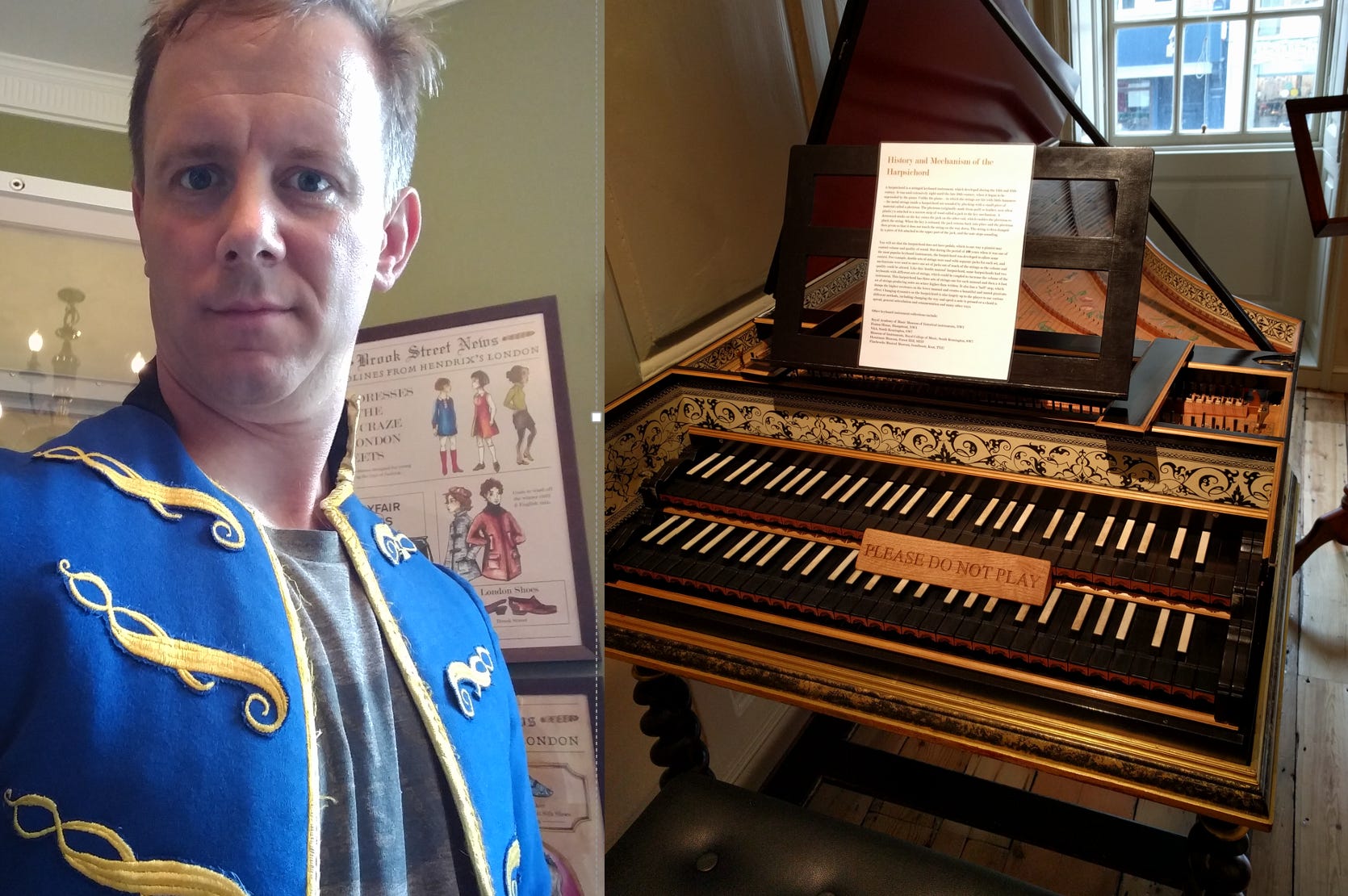
He’s a fascinating figure, and you don’t need training in music to spend time with him. We’ll learn about his composition of Messiah in the very house where he lived in wrote (downstairs from what could become Jimi Hendrix’ London house centuries later), dig through his archives and wills in the Foundling Museum, and investigate his handwritten notes in the stacks of the British Library. This course is perfect for AP Music Theory students, but really, it’s adaptable because the theme is genius.
What is Frankenstein’s Monster? Unearthing the World of Mary Shelley
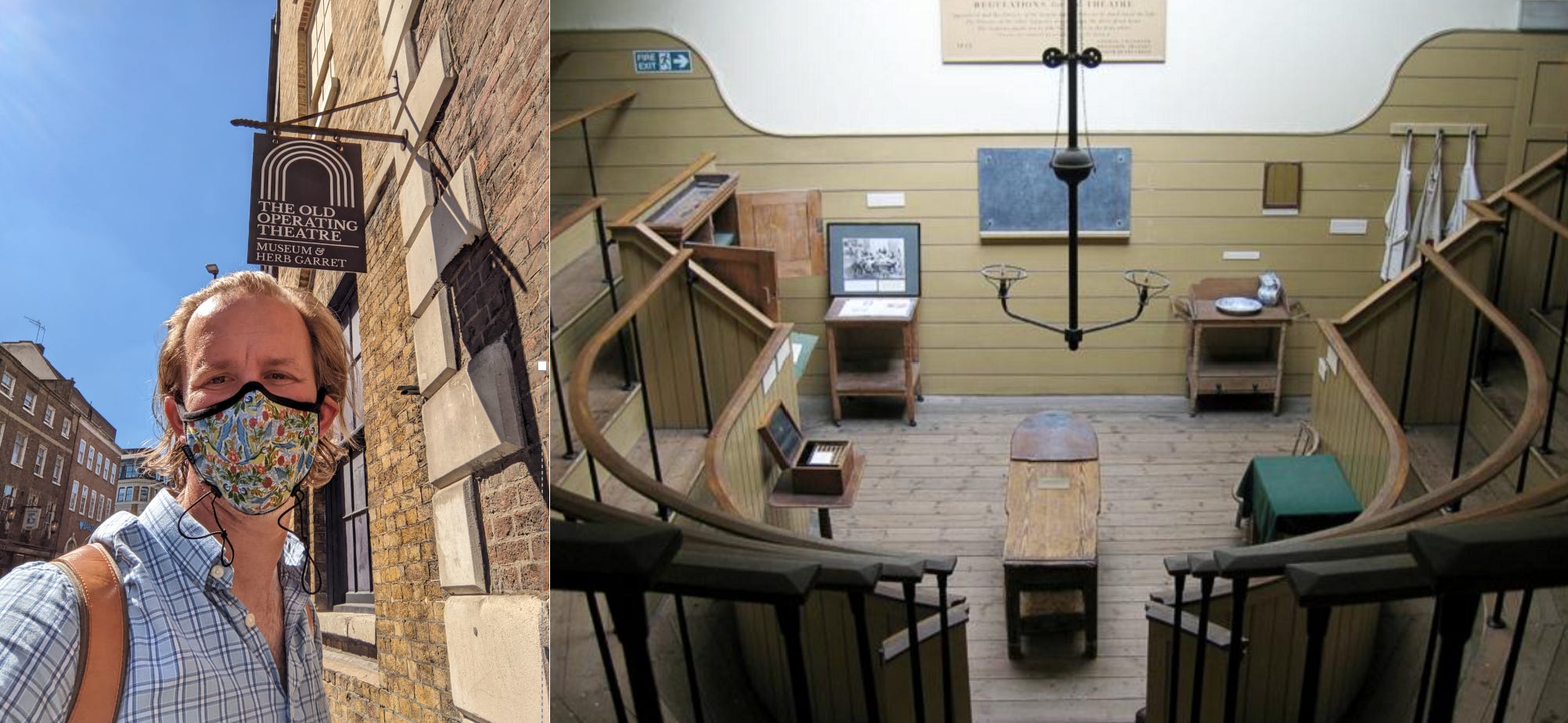
I have been developing this course for years, which is the perfect AP Lit + STEM + History interdisciplinary trip. Frankenstein is one of the most read high school books, written at the rise of the Scientific Enlightenment. In London, we will explore the science that would have influenced Mary Shelley, including the original operating theater hidden in the second floor of a medieval church, and take a tour of the historical sites that gave rise to the study of anatomy--including the graveyards where corpses were “fished” for science.
We’ll see a one-man show of Frankenstein set in a historic library, as if the books on the shelves talked to Mary--which, considering her upbringing, they did. We’ll find the places of Mary’s unusual childhood, the daughter of a famous philosopher and her mother, Mary Wollstonecraft, the most famous feminist of her time and author of the A Vindication of the Rights of Woman. Wollstonecraft died giving birth to Mary, and we’ll visit her gravesite, where the young Mary was taken by her father to keep vigil.
From there, we’ll trace her relationship with the poet Percy Bysshe Shelley, eventually tracing through Paris (where Mary Wollstonecraft witnessed the guillotining of Marie Antoinette and much of the Revolution, which influenced her daughter’s conception of the Monster), all the way to Geneva, where Mary first conceived the idea in an isolated chateau during the coldest summer on record, in a contest to write the scariest story that included Lord Byron.
There is so much rich material here that we can adapt it to whatever focus you want, or like the monster itself, just let it be a stitched together collection of everything :)
The Suffragettes: How They Won Votes For Women
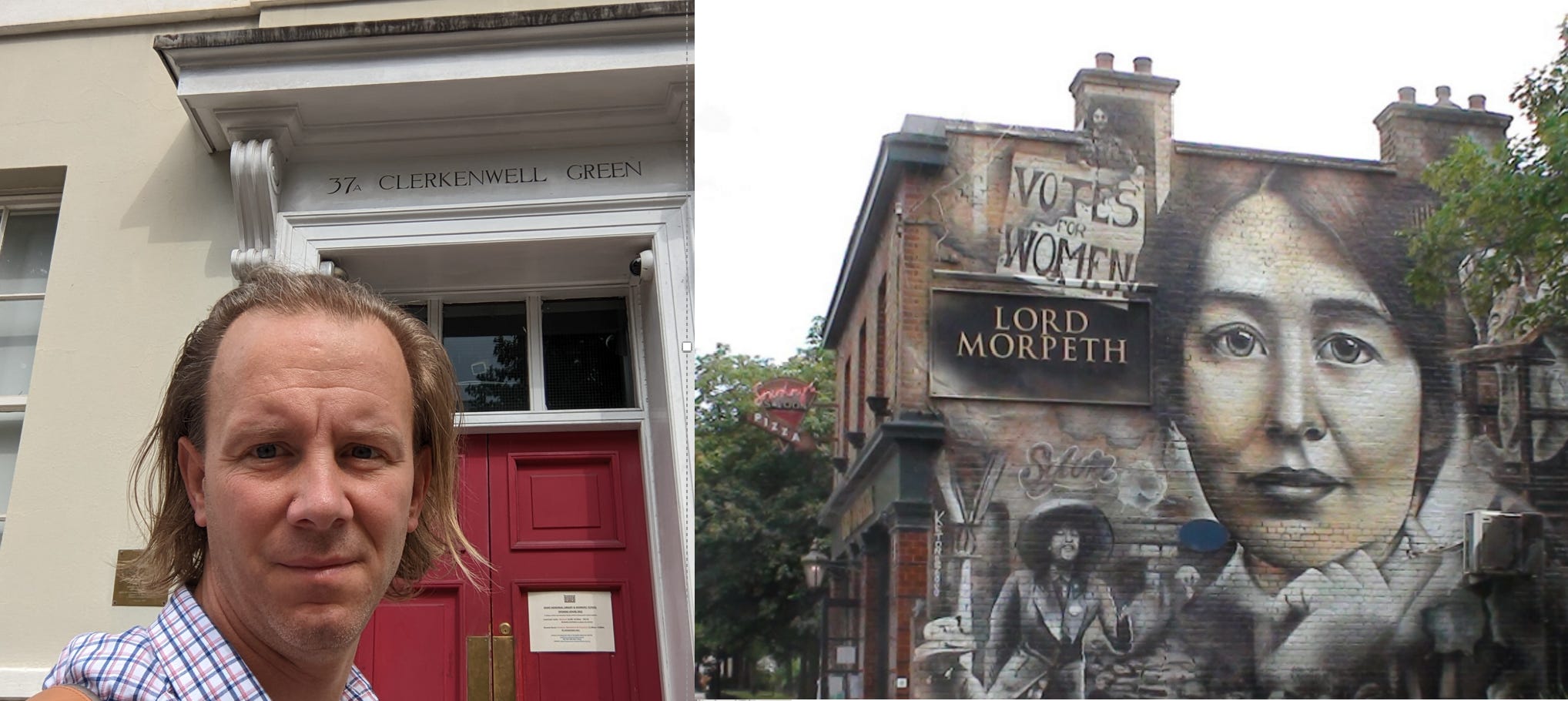
This course will deep-dive into the intersection of feminism and the modern movement by tracing the origins of the Suffragettes from the epicenter of the Industrial Revolution in Manchester to London, where these women engaged in legal and extra-legal means to achieve the vote. Not just the story of the Pankhursts, but also of Eleanor Marx, daughter of Karl, who wrote and worked most of his life in London. In many ways, Eleanor was her father’s daughter, and we’ll find the archives where the both researched and developed intellectually.
This course will explore the East End of London, which is off the tourist track---but whose history reaches into the present, the legacy of the struggles of women and immigrants (and how women of color were often explicitly excluded from the Suffragette movement). We’ll meet some of the women of today who are restoring this history that the patriarchy erases from the books, to understand not just what it means to make this history live, but actually how to do it. This course is perfect not just for history classes, but also economics and feminist studies as well.
Emilie du Chatelet: The Forgotten Genius of France’s Scientific Enlightenment
For most of the 19th and 20th Centuries, Emilie du Chatelet was remembered as nothing more than “Voltaire’s Mistress.” Voltaire himself would take exception: He called her “a great man whose only fault was being a woman.”
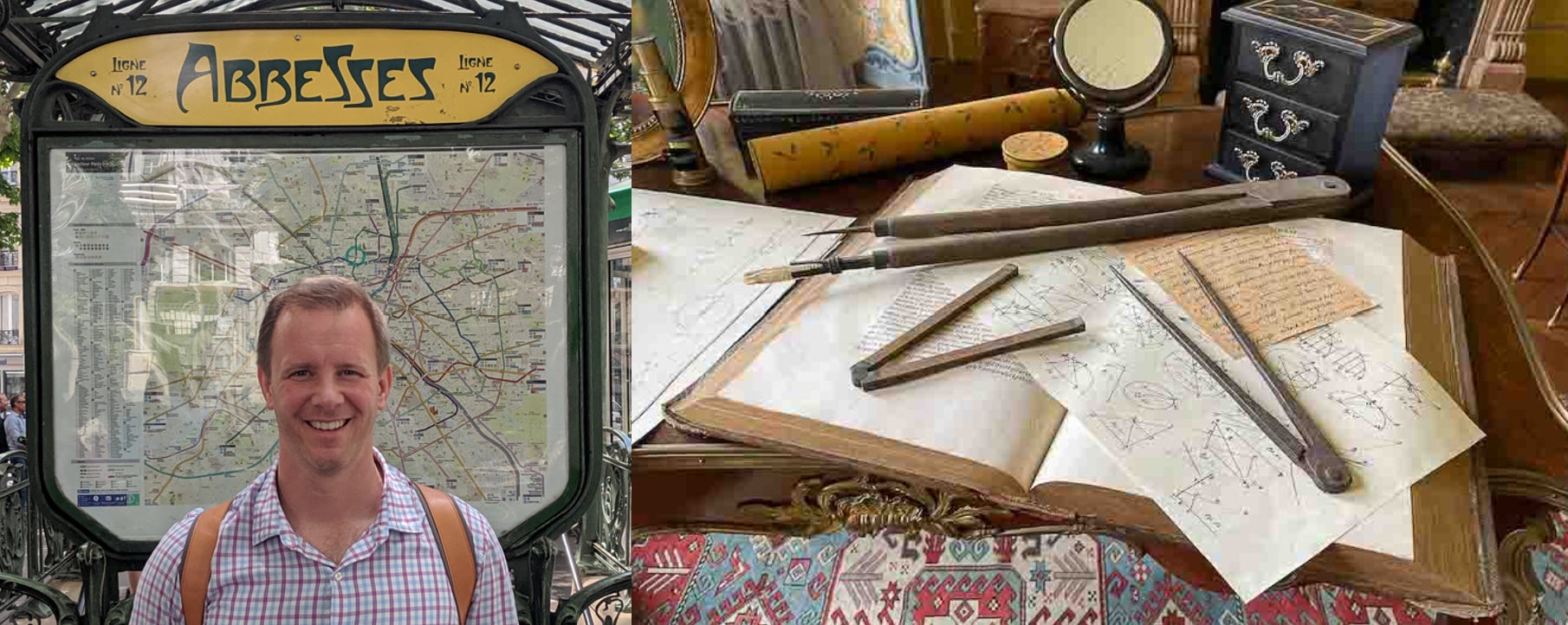
Emilie du Chatelet is nothing less than the most penetrating intellectual force of the French Scientific Enlightenment. She not only was the first to translate Newton’s Principia, thus creating Newton’s fame outside of England, she corrected Newton’s assumption that momentum is proportional to velocity, eventually relied upon by later thinkers to form our modern ideas on mechanics. In short, Du Chatelet’s insights were used by Einstein to square the c in his famous formula.
More than that Emilie du Chatelet was a philosopher, poet, feminist trailblazer, fervent critic of John Locke---the energy and intellect she brought to so many subjects makes her one of the most fascinating figures who ushered in the modern age. She died tragically in her early 40s from a pregnancy gone wrong, and was promptly written out of most history.
We will begin in London for a couple days studying Newton, as well as Du Chatelet’s letters in an archive at the City University of London. Next, we will unearth her legacy at sites throughout Paris, studying the beginnings of modern science. Then, we will visit her famous Chateau de Cirey, the country estate where she built the first science laboratory and a theater for her lover Voltaire, where they spent their days enraptured in scientific and philosophical thought. From there, we venture to Geneva, Switzerland to see the Voltaire archives.
From Hamilton to *Hamilton*: The role of musical theater in historical memory
Hamilton is perhaps the artistic landmark in the last decade of American art forms. So much so that its lines are quoted by Congresspeople, and its depictions of events in the Revolution have deeply influenced who not just lay people, but politicians and some historians see this era.
But how accurate is it? How much does accuracy matter?
Famously, Lin-Manuel Miranda didn’t just rely on, but brought biographer Ron Chernow onboard as a consultant, but in recent years, Chernow’s “definitive” biography has come under fire for creating a distorted portrait of Hamilton’s views on slavery, relationship with Washington and the Marquis de Lafayette, and other aspects of his life.
New scholarship on Hamilton’s family’s ownership of enslaved people, as well as his role in the Whiskey Rebellion, has complicated the story that Hamilton tells. And yet, what truths are still embedded in this radical, racialized imagining of the Founding Era?
This course will take us all over New York City to find the rooms where it happened, from Hamilton’s former home north of Central Park, to the Financial District near the New York Stock Exchange, to Broadway itself to uncover the accuracies and the truths about the most important founder who never became President.